Have you ever wondered whether to write “what happen” or “what happened” when asking someone about an event? These two phrases look almost identical, but only one is grammatically correct in most everyday questions. The confusion usually happens because English uses different verb forms when talking about the present, past, and future. Understanding these forms can help you avoid common grammar mistakes and communicate more clearly.
The correct choice depends on what you want to say. “What happened?” is the standard expression when asking about something that occurred in the past. However, “what happen” can appear in certain grammatical structures, such as “What did happen?” or “What can happen?” Learning when to use each form will make your English more natural. In this guide, you will discover their meanings, grammar rules, differences, and practical examples.
Quick Answer
“What happened?” is correct when asking about something that occurred in the past. “What happen” is generally incorrect as a standalone question because it does not follow standard English grammar. However, the base verb “happen” is correct after helping verbs such as do, can, will, and might.
Why Do People Confuse What Happen and What Happened?
People often confuse these expressions because both contain the same main verb: happen.
The difference is their grammatical form:
- Happen: The base form of the verb, used with certain helping verbs and in the present tense.
- Happened: The simple past form of the verb, used for completed events in the past.
Another reason for confusion is that English learners sometimes forget that regular verbs usually take -ed when describing completed past actions.
For example:
- Incorrect: What happen yesterday?
- Correct: What happened yesterday?
The word yesterday tells us that the question refers to the past, so we need happened.
What Does Happen Mean?
Happen is a verb that means to take place, occur, or come about. It describes an event, situation, or action that takes place.
It is the base form of the verb and is commonly used when discussing general situations, possibilities, and future events.
When to Use Happen
Use happen in these situations:
1. Talking about general facts
Use it to describe things that regularly occur or are generally true.
- Accidents happen every day.
- Strange things happen sometimes.
- Mistakes happen to everyone.
2. After helping verbs
Use the base form after modal verbs and the auxiliary verb do.
- What can happen next?
- What will happen tomorrow?
- What might happen if we leave?
- What did happen at the meeting?
3. Using the present tense with plural subjects
- These problems happen frequently.
- Unexpected events happen in life.
- Similar situations happen every year.
Examples of Happen in Sentences
- What will happen if it rains?
- Things happen for different reasons.
- I wonder what might happen next.
- These accidents happen because of carelessness.
- What can happen during an emergency?
What Does Happened Mean?
Happened is the simple past form of happen. It describes something that took place or occurred before the present moment.
Use it when discussing completed events, past experiences, or situations that have already occurred.
When to Use Happened
1. Asking about past events
Use happened when asking someone about something that occurred.
- What happened last night?
- What happened at school?
- What happened to your phone?
2. Describing completed events
Use it when explaining something that took place in the past.
- Something unusual happened yesterday.
- An accident happened near my house.
- A problem happened during the meeting.
3. Talking about unexpected situations
- I don’t know what happened.
- Nobody knows what happened there.
- Something strange happened this morning.
Examples of Happened in Sentences
- What happened to your car?
- What happened during the game?
- I heard something happened at work.
- A surprising thing happened yesterday.
- Nobody expected what happened next.
What Is the Difference Between Happen and Happened?
The main difference is verb tense. Happen is the base form, while happened is the simple past form.
| Feature | Happen | Happened |
|---|---|---|
| Verb form | Base form | Simple past |
| Main use | General facts and possibilities | Completed past events |
| Time reference | Present or future, depending on structure | Past |
| Example | What will happen next? | What happened yesterday? |
| After modal verbs | Correct | Incorrect |
| With did | Correct | Incorrect |
Remember that happened is not used after did in standard questions because did already marks the past tense.
When Should You Use What Happen or What Happened?
Choosing the correct expression becomes easier when you understand the situation.
Use Happen for General Situations and Future Possibilities
Use happen when talking about things that may occur, regularly occur, or are generally possible.
Examples:
- What will happen next?
- What can happen during a storm?
- What usually happen in this situation?
The last example needs correction because what generally takes a singular verb in this question:
- What usually happens in this situation?
Use Happened for Past Events
Use happened when asking about something that already occurred.
Examples:
- What happened yesterday?
- What happened to your brother?
- What happened after the match?
- What happened during the lesson?
Use Happen After Did
When forming a past-tense question with did, always use the base form happen.
Correct:
- What did happen?
- What did happen after that?
- What did happen to the project?
Incorrect:
- What did happened?
- What did happened yesterday?
The helping verb did already expresses the past, so the main verb stays in its base form.
15 Examples of What Happen and What Happened
Here are practical examples to help you understand the difference.
Examples Using Happen
- What will happen if we miss the bus?
- What can happen during a power outage?
- Strange things happen in this world.
- What might happen if you ignore the warning?
- Mistakes happen when people rush.
- What did happen after the teacher left?
- These problems happen because of poor planning.
- What could happen if the weather changes?
Examples Using Happened
- What happened at school yesterday?
- What happened to your laptop?
- Something unexpected happened last night.
- What happened after the football match?
- Nobody knows what happened.
- What happened when you opened the door?
- I don’t understand what happened during the meeting.
Common Mistakes to Avoid
English learners often make mistakes when choosing between happen and happened. Here are some common errors and their corrections.
| Incorrect Sentence | Correct Sentence |
|---|---|
| What happen yesterday? | What happened yesterday? |
| What did happened? | What did happen? |
| What happen to you last night? | What happened to you last night? |
| What will happened tomorrow? | What will happen tomorrow? |
| What can happened next? | What can happen next? |
| What happened next? (asking about a future event) | What will happen next? |
Mistake 1: Using Happen for Past Events
Incorrect: What happen last week?
Correct: What happened last week?
Use happened because last week refers to the past.
Mistake 2: Adding -ed After Did
Incorrect: What did happened?
Correct: What did happen?
Never use the past form of the main verb after did in a standard question.
Mistake 3: Using Happened After Will
Incorrect: What will happened tomorrow?
Correct: What will happen tomorrow?
Use the base form after will.
Memory Trick: How to Remember the Difference
Here is a simple trick:
- Happen = Base verb: Use it after helping verbs such as will, can, could, and did.
- Happened = Past event: Use it when something already took place.
Remember these two examples:
- What will happen tomorrow? (Future)
- What happened yesterday? (Past)
You can also remember this rule: Did + happen, not did + happened.
American vs. British English
There is no difference between American and British English when using happen and happened.
Both varieties follow the same standard grammar rules:
| American English | British English |
|---|---|
| What happened yesterday? | What happened yesterday? |
| What will happen tomorrow? | What will happen tomorrow? |
| What did happen? | What did happen? |
| What can happen next? | What can happen next? |
The spelling and grammatical forms are identical in both varieties. You can confidently use these expressions in American and British English.
Similar Words and Related Expressions
Understanding related expressions can help you improve your vocabulary and grammar.
- Occur: Means to take place or happen. Example: What occurred yesterday?
- Take place: Refers to an event happening at a particular time or location. Example: What took place during the meeting?
- Happening: The -ing form of happen. Example: What is happening outside?
- Happens: The third-person singular present form. Example: What happens next?
- Had happened: The past perfect form, used for an event that occurred before another past event. Example: What had happened before you arrived?
- Has happened: The present perfect form. Example: What has happened here?
- Will happen: The future form. Example: What will happen tomorrow?
These expressions are related, but their grammatical uses are different.
Final Verdict: What Happen or What Happened?
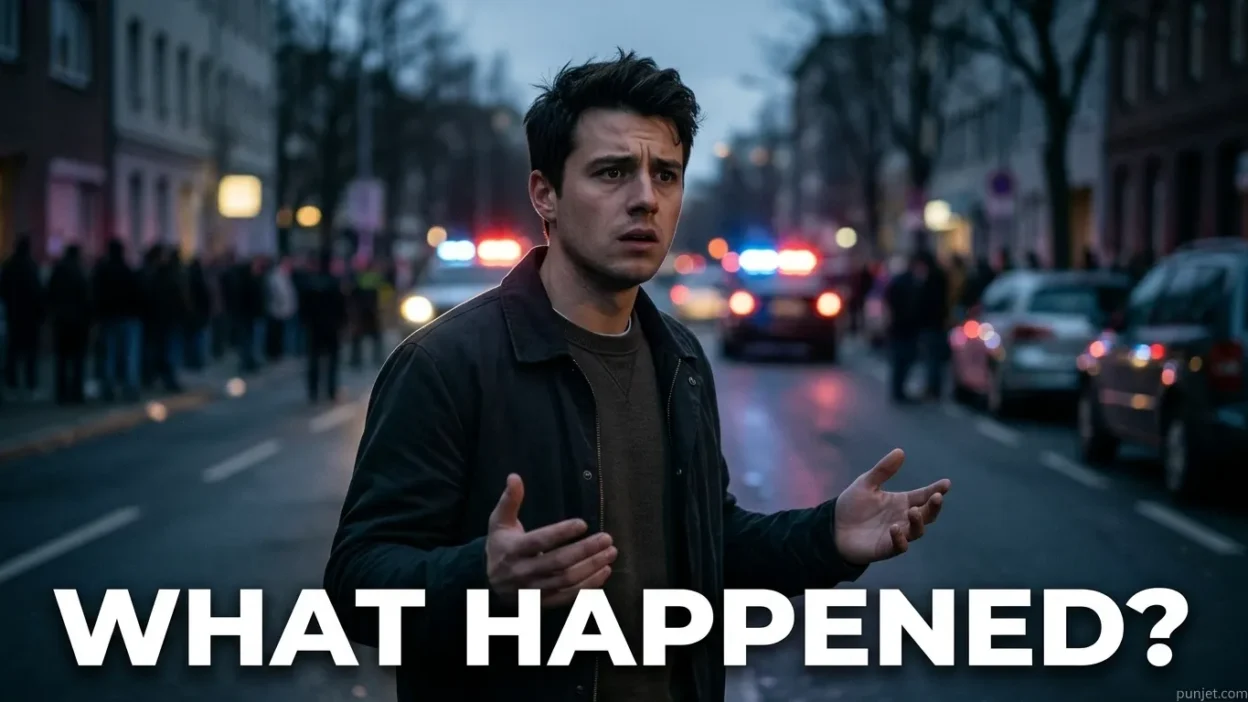
The correct expression for asking about a past event is “What happened?” It uses the simple past form of the verb happen.
However, happen is also correct when used with helping verbs such as did, will, can, and could.
Remember:
- What happened? (Correct for past events)
- What will happen? (Correct for future events)
- What can happen? (Correct for possibilities)
- What did happen? (Correct for an emphatic past question)
Avoid using “What happen?” as a standalone question when you mean to ask about something that already occurred.
FAQs:
1. Is What Happen grammatically correct?
Not usually as a standalone question. If you are asking about a past event, the correct expression is “What happened?” However, happen is correct after helping verbs, as in “What will happen?” and “What did happen?”
2. Should I say What Happen or What Happened?
Say “What happened?” when asking about something that occurred in the past. Use happen when discussing general events or possibilities, such as “What can happen next?”
3. Why Do We Say What Happened Instead of What Happen?
We say “What happened?” because the question refers to a completed past event. The suffix -ed marks the simple past tense of the regular verb happen.
4. Is What Did Happen Correct?
Yes. “What did happen?” is grammatically correct, especially when asking for emphasis or clarification. The auxiliary verb did carries the past tense, so the main verb remains happen.
5. Is What Happened to You Correct?
Yes. “What happened to you?” is a grammatically correct question. It asks someone about an event or situation they experienced in the past.
6. Can I Use What Happened for Future Events?
No. Use “What will happen?” when asking about a future event. For example, “What will happen if we don’t finish the project?”
7. What Is the Difference Between Happen, Happens, and Happened?
Happen is the base form, happens is the present-tense form used with singular third-person subjects, and happened is the simple past form. Examples: “Things happen,” “What happens next?” and “What happened yesterday?”
Remember This
- Happen: Base form of the verb.
- Happens: Present tense for singular third-person subjects.
- Happened: Simple past form.
- Did + happen: Correct past-tense question structure.
- Will + happen: Correct future-tense structure.
The easiest rule is to use “What happened?” when asking about something that has already taken place.
Conclusion
Understanding the difference between “what happen” and “what happened” is simple once you learn how English verb tenses work. Happen is the base form of the verb, while happened describes an event that took place in the past. Therefore, “What happened?” is the correct standard question when asking someone about a previous event.
Keep practicing these expressions in everyday conversations, emails, and written communication. Remember that did and will take the base verb happen, while happened is used independently to describe completed past events. With regular practice, you will find it easier to choose the correct expression and avoid common grammar mistakes.